Shana Kincaid
On the Come UpShana Kincaid is a student at Midtown School of the Arts and an advocate for Black and Latinx students. Her role is to turn a private experience of unequal treatment into a public account of school policy: she urges classmates to bring Malik’s footage of Brianna’s restraint to the news, then addresses the superintendent directly about discriminatory security practices and students’ fear of armed police.
Identity and School Experience
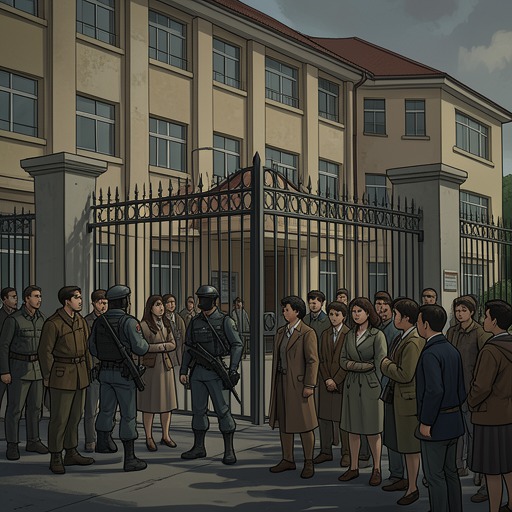
Shana identifies herself as a junior at Midtown. In her public remarks, she describes how the school experience differs for students who look like her: she says Officer Long and Officer Tate were known to target Black and Latinx students more often than others, subjecting them to pat-downs, random locker checks, and additional screenings. She also notes that several students had been involved in physical altercations with the officers. Her account places Shana’s advocacy in the context of repeated encounters, not an isolated dispute.
The school’s security climate worsens when armed police officers are brought onto campus. Shana tells the superintendent that many students like her fear for their lives and should not have to feel that way at school. By connecting the officers’ earlier practices to the arrival of armed police, she frames the issue as both a history of unequal treatment and a continuing threat to students’ sense of safety.
Advocacy and Public Testimony
When classmates discuss how to escalate their response to the officers’ treatment of Brianna, Shana argues that the effort needs to go beyond the superintendent or school board: Malik’s recording of Long and Tate restraining Brianna should reach the news. Brianna resists that course, so Shana’s proposal also exposes a tension within the students’ campaign between seeking wider attention and respecting the wishes of the person at the center of the footage.
At a public meeting, Shana takes a microphone and introduces herself by name before addressing the superintendent, Dr. Cook. Her testimony moves from specific practices—pat-downs, locker checks, secondary screenings, and physical altercations—to the consequences of bringing armed officers onto campus. Students in the coalition respond with applause and cheers, and Brianna joins in. Shana thus speaks both as a student describing her own community’s experience and as a representative of classmates who share that fear.
Institutional Criticism and Significance
Shana challenges Midtown’s relationship with the students it recruits. She argues that the school needs students like her to obtain grants while failing to make those students feel welcome. Her closing question asks the administration to recognize them as human beings rather than reduce them to sources of funding. This links the school’s stated reliance on its diverse student body to a contradiction in how that body is treated.
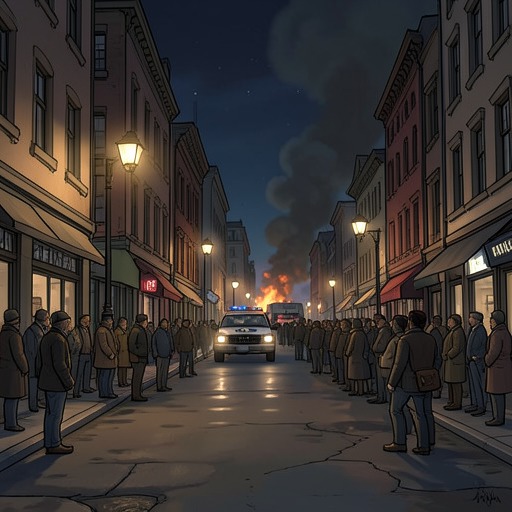
Her testimony gives the students’ protest a focus beyond Brianna’s case. The viral song and footage are presented in public coverage as evidence connected to violence, but Shana redirects attention to why students were protesting and how security personnel treated them. Her intervention makes the disparity explicit, naming the affected groups, the procedures used against them, and the fear intensified by armed policing. She helps transform individual accounts into a collective challenge to Midtown’s treatment of Black and Latinx students.